Remove heavy metals, suspended solids and emulsified organics using electricity instead of expensive chemical reagents.
Our ClientsTrusted by Industry LeadersServing leading industrial & municipal names
OVERVIEW
Chemical-free contaminant removal
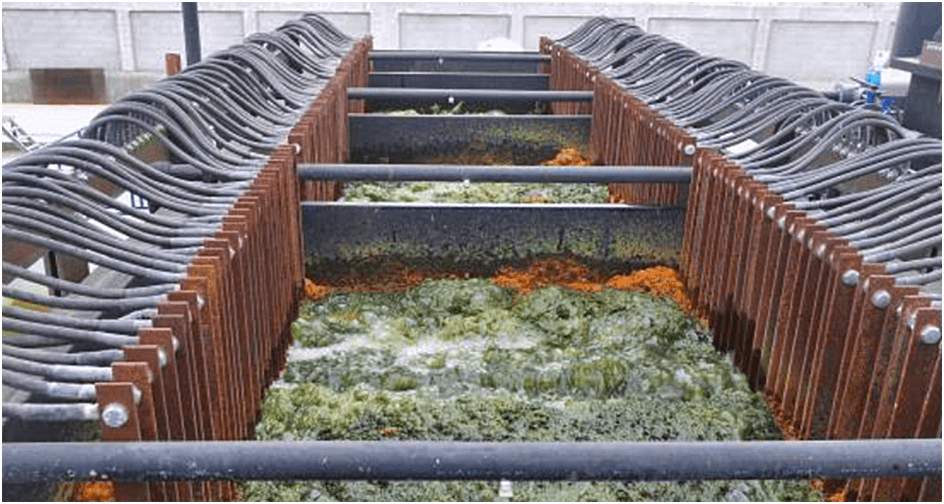
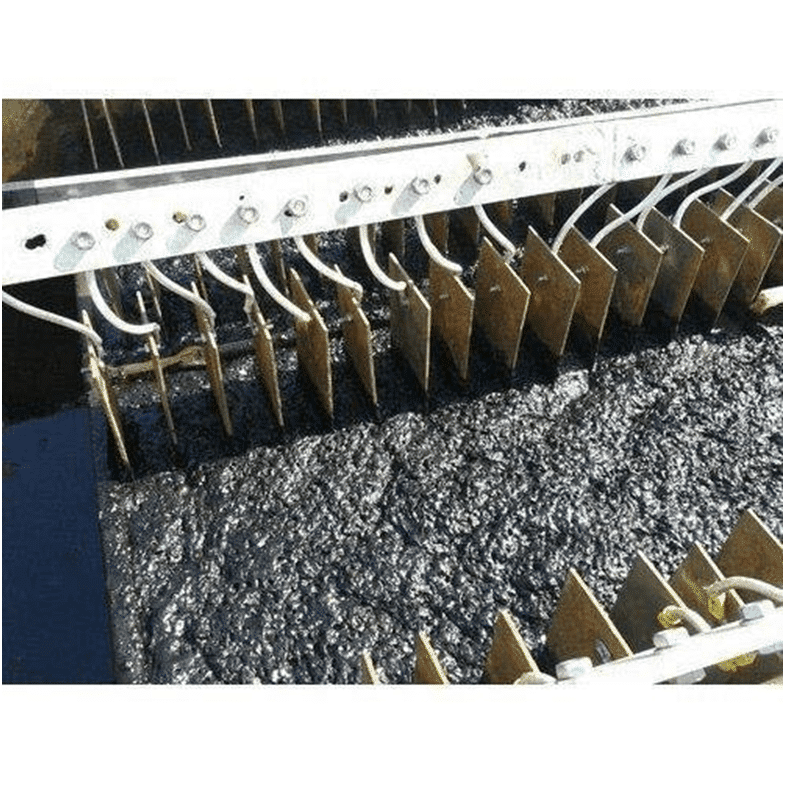
Electrocoagulation is an electro-chemical process that simultaneously removes heavy metals, suspended solids, emulsified organics and many other contaminants from water using electricity instead of expensive chemical reagents. The process uses electricity and sacrificial plates to combine with contaminants in a waste stream, producing insoluble oxides and hydroxides that are easily separated from the clear water.
BENEFITS
Why choose electrocoagulation
Excellent Results
Treatment levels typically below the capabilities of conventional chemical precipitation — ideal for low-limit permits.
Low Capital & Operating Cost
Attractively priced standard and engineered systems that can retrofit existing treatment lines.
Simultaneous Treatment
Several contaminants treated at once across a wide pH range — no need to segregate waste streams.
No / Low Chemical Use
In many cases the use of treatment chemicals is eliminated, with pH adjustment often unnecessary.
Better Metals Removal
Metal concentrations in the effluent are lower than chemical processes can attain.
Lower Sludge Volumes
Dramatically less sludge produced — a 40–60% reduction over chemical methods — and better feed for R/O.
The electrocoagulation process
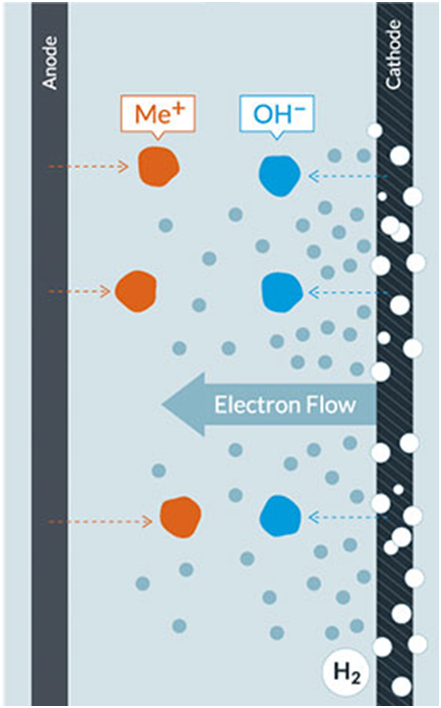
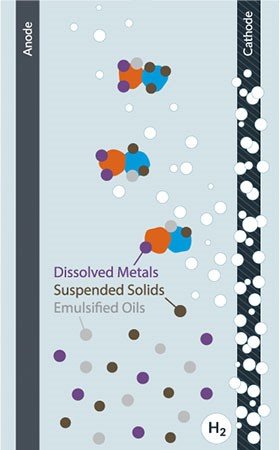
Step 1 — Dissolution: a low-voltage current passes through the effluent via sacrificial metal plates, releasing coagulant ions directly into the water. Step 2 — Coagulation: those ions neutralise the charges that keep metals, fine solids and emulsified oils suspended, so they clump into dense flocs that are easily separated.
Contact us to get a quote
Send us your effluent characteristics and discharge targets and CWG will size an electrocoagulation system for your plant.