
Strip heavy metals, suspended solids and emulsified organics out of your wastewater with a controlled electric current — and leave the drums of alum, ferric and polymer behind.
Conventional coagulation means constant chemical dosing, mounting sludge, and effluent that can still miss NEQS limits. Electrocoagulation replaces the reagents with electricity — treating several contaminants in a single pass while cutting your chemical and sludge-disposal bills. CWG designs, builds and commissions EC systems, new-build or retrofitted onto your existing plant.
Electrocoagulation is an electro-chemical process that removes contaminants using electricity instead of chemical reagents. A low-voltage current passes through the effluent via sacrificial metal plates, releasing coagulant ions directly into the water.
Those ions neutralise the charges that keep metals, fine solids and emulsified oils suspended, so they clump into dense flocs that lift out cleanly — with little or no need for alum, ferric chloride, polymer or pH correction.
Because the coagulant is generated in-situ by electricity, one compact unit treats several contaminants at once, across a wide pH range, and retrofits straight onto an existing treatment line.
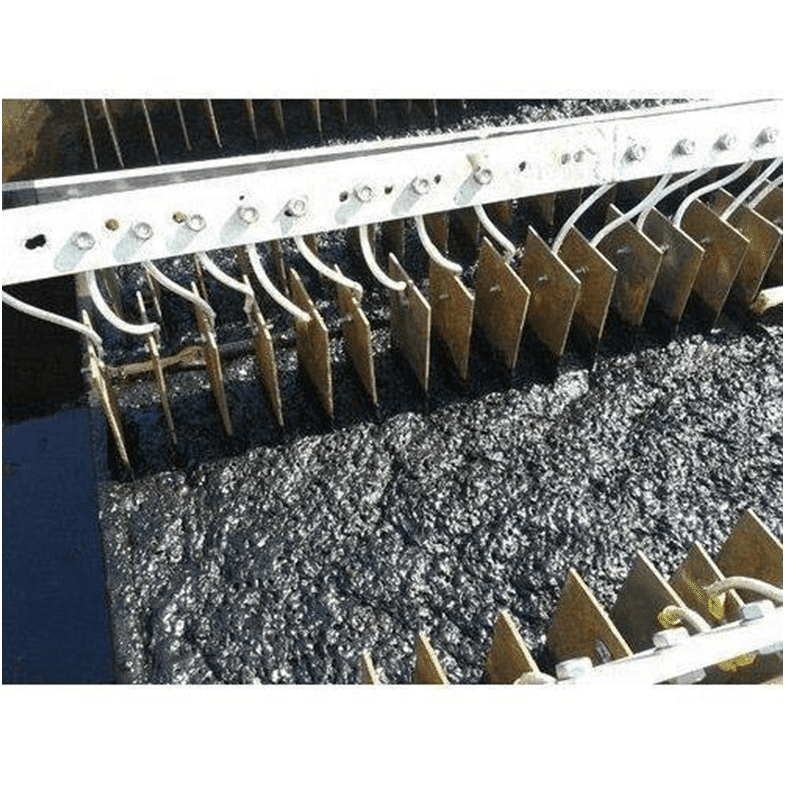
Four stages take raw, contaminant-laden effluent to clear, dischargeable water — with electricity doing the job reagents used to.
A low-voltage current dissolves the sacrificial metal anode, releasing coagulant ions directly into the effluent stream.
The coagulant ions neutralise the surface charges that keep contaminants stable and suspended in the water.
Destabilised particles — metals, fine solids and emulsified oils — collide and bind into large, dense flocs.
Fine electro-generated bubbles float the flocs to the surface (or settle them) for clean, simple removal.
Coagulant is generated electrically, cutting or eliminating alum, ferric and polymer dosing — and often pH correction.
Far less chemical sludge than conventional coagulation, slashing dewatering and disposal costs.
Reaches lower effluent metal concentrations than hydroxide precipitation — ideal for tight discharge permits.
Removes heavy metals, suspended solids and emulsified organics together, with no need to segregate streams.
Less sodium, sulphate and chloride in the effluent lets any downstream RO run at lower pressure and cost.
Standard packages or retrofits to your existing plant, with attractive pricing and reduced chemical spend.
No reagent dosing, far less sludge, and better metals removal than alum or ferric precipitation.
Handles mixed contaminants and emulsified oils in one pass — no resin-regeneration chemicals to buy or dose.
Destabilises contaminants electrically first, so flotation removes what a standalone DAF leaves behind.
Pakistan’s textile, denim, tannery, metal-finishing and food industries face tightening NEQS limits, rising reagent prices and growing water scarcity. Electrocoagulation tackles exactly the hard-to-treat streams these sectors produce — cutting chemical spend and sludge while opening the door to water recycling and reuse.
Since 1998, CWG Watch Water Technology has delivered advanced water & wastewater solutions across Pakistan — from packaged systems to fully custom-engineered plants, all backed by installation, commissioning and after-sales support.
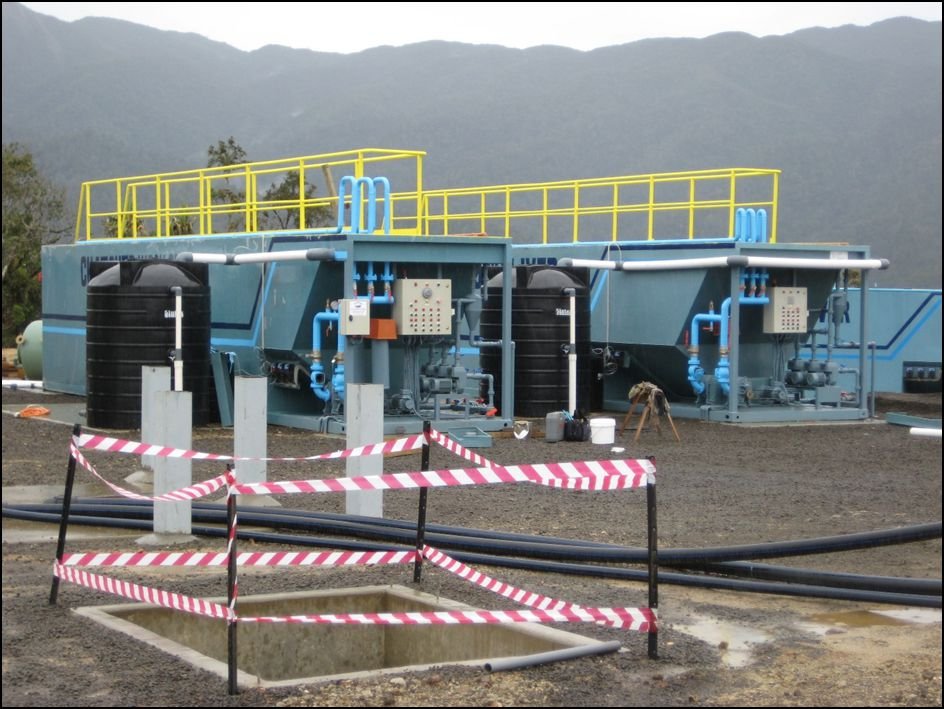
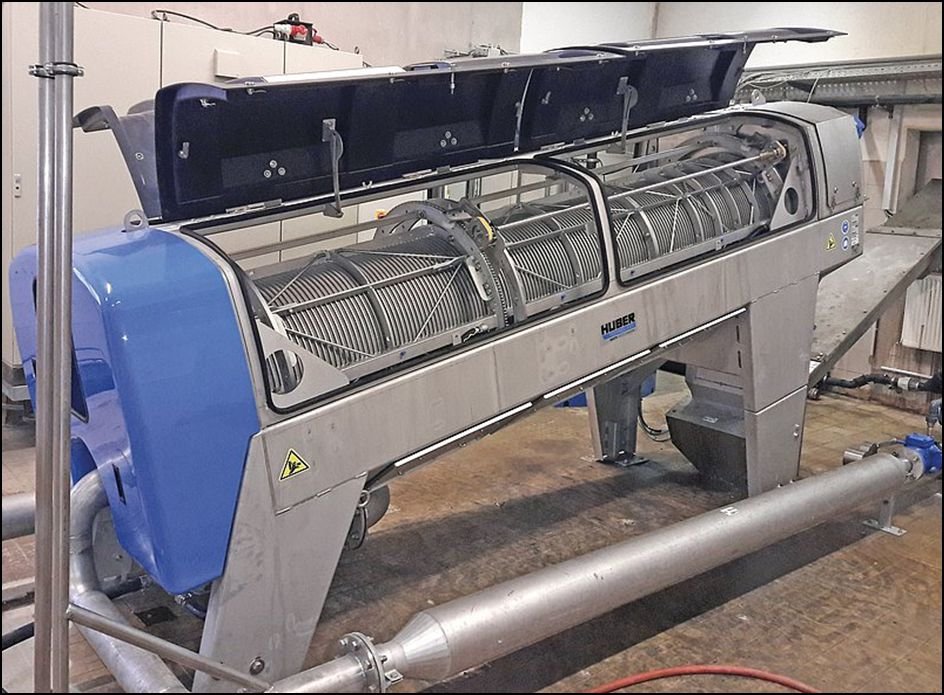
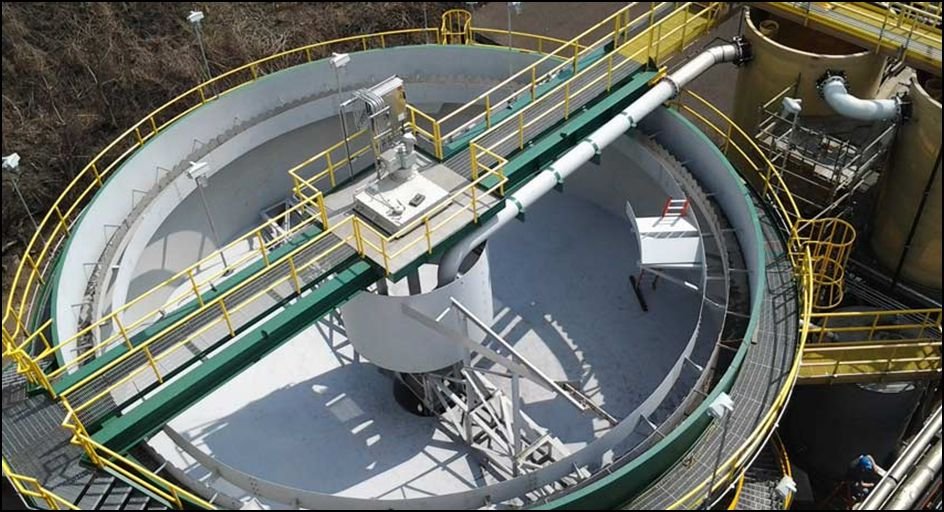
Send us your effluent characteristics and discharge targets, and CWG will size an electrocoagulation system for your plant — new-build or retrofit.